
Partner
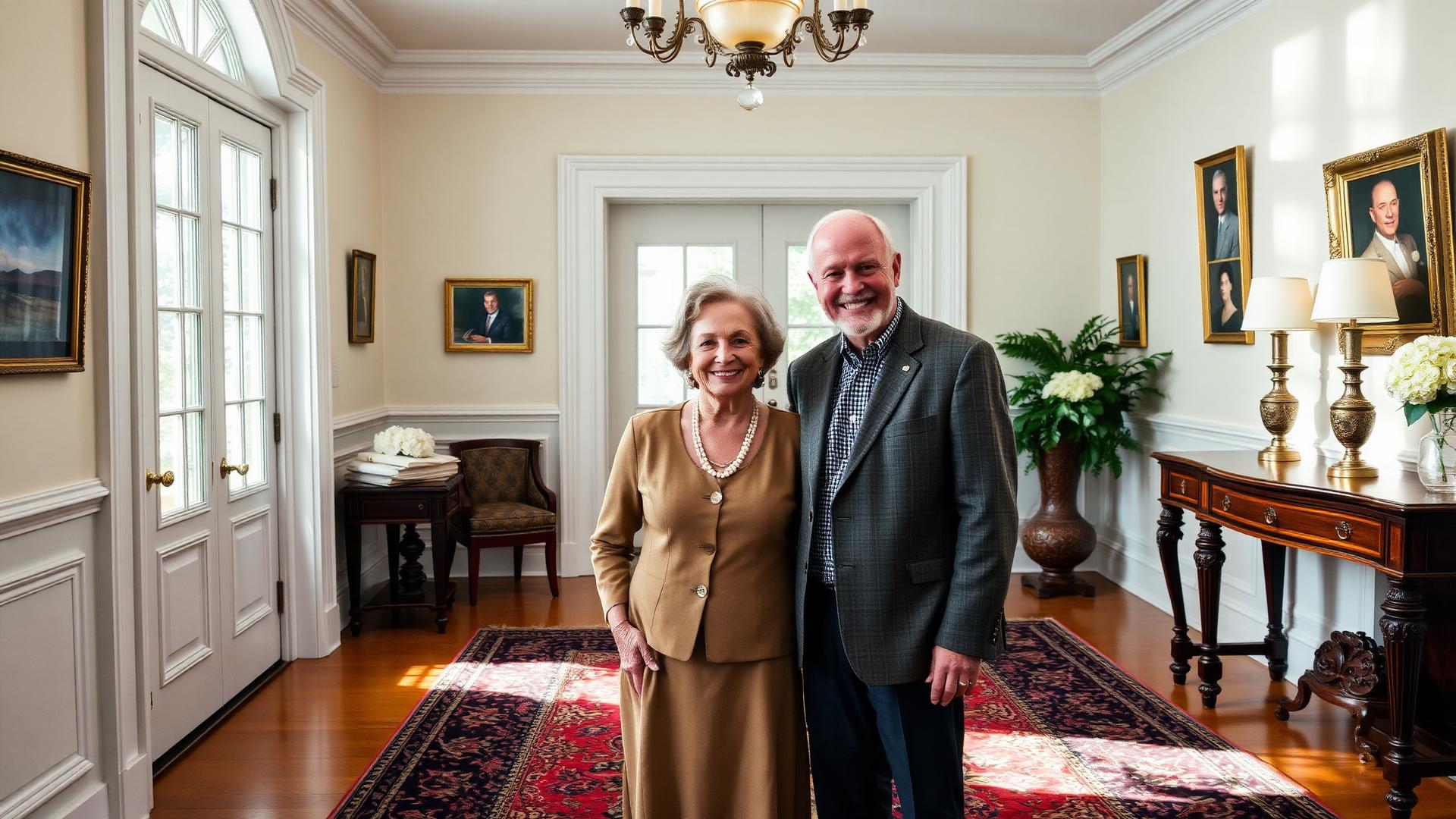
Paul P. Marchese
A trusted counselor to North Shore families for more than three decades, Paul guides clients through estate planning, trusts, and probate with the patience and precision that complex family wealth demands.
Read full bio
Marchese & Maynard, LLP drafts wills for Manhasset residents with significant real estate, business interests, and multi-generational goals. We supervise two-witness execution ceremonies and attach self-proving affidavits to streamline Nassau County Surrogate's Court proceedings.

Most clients arrive with a rough idea of who gets what, but no roadmap for executor powers, guardian nominations, or tax apportionment. We translate those intentions into EPTL-compliant language that survives probate scrutiny and family disputes.
We schedule execution ceremonies at our office or your home, ensuring both witnesses are disinterested. The formalities matter: under New York law, you must sign or acknowledge your signature in the presence of each witness, and while they do not strictly have to be present at the same time, they must both sign within a 30-day period. Ensure your execution ceremony is properly notarized for the self-proving affidavit, and don't let your brother-in-law serve as a witness when he's named in the will, as a disposition to an attesting witness can be void under New York law unless there are at least two other disinterested witnesses.

You open the safe deposit box and find a twenty-year-old will naming an ex-spouse as executor and listing assets you sold a decade ago. That moment of panic is avoidable with a structured review process tied to life events.
We walk through your asset inventory and flag any mismatch between beneficiary designations and will provisions. In one case, a client's IRA named his estate as beneficiary, forcing the account through probate and accelerating income tax instead of allowing a stretch distribution to his children.

Manhasset's median home value exceeds $1.3 million, and many residents hold business interests, investment portfolios, and vacation properties across state lines. Before you download a template or rely on a document your neighbor swears worked perfectly, consider whether that form contemplates New York's elective share rules, ancillary probate for out-of-state real estate, or the tax apportionment clause your brokerage account may require.
We attach a self-proving affidavit notarized at execution, so witnesses don't need to appear in court years later to authenticate signatures. That single step may help streamline probate, provided the notary observes signatures and completes the certificate correctly.

A will governs only assets titled in your sole name at death. Joint accounts, beneficiary-designated retirement plans, and revocable trust transfers can bypass probate, which means your will's distribution scheme can be quietly overridden by a forgotten form.
We've had clients whose wills left everything equally to three children, but whose $800,000 IRA named only one child as beneficiary from a decade-old enrollment form. The siblings' inheritance distribution can be affected, as retirement accounts are generally not probate assets. Careful will drafting often works alongside coordinated trust planning for Manhasset families and clear power of attorney documents so incapacity, death, and non-probate transfers all point the same direction.
Two partners. One standard of care. Every plan is drafted, reviewed, and signed under their direct guidance.
A trusted counselor to North Shore families for more than three decades, Paul guides clients through estate planning, trusts, and probate with the patience and precision that complex family wealth demands.
Read full bio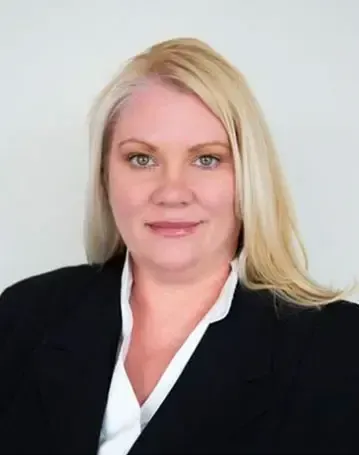
Robin brings decades of experience and a client-centered approach to elder law, Medicaid planning, and guardianship matters, advocating for families during the most consequential transitions of their lives.
Read full bio“Robin and Paul walked our family through a trust restructure after my father's stroke. They explained every clause in plain language and the Nassau County Surrogate filings closed without a single delay.”
“We finally have a real estate plan, not a binder collecting dust. The team made sure our co-op shares were actually transferred into the trust. Worth every minute of the consultation.”
“After two other attorneys gave us conflicting Medicaid advice, Marchese and Maynard laid out the lookback timeline on paper and built a plan that protected our home. Calm, precise, and patient.”
“Probate could have been a nightmare. They handled the executor paperwork, creditor notices, and a contested distribution without us ever having to argue with family. Genuine pros.”
“Paul drafted our wills, healthcare proxies, and powers of attorney in a single afternoon, and the bank accepted the POA without a single follow up call. That alone tells you they know what they are doing.”
“Trusted, local, and responsive. Robin took my call on a Friday afternoon when I was panicking about my mother's nursing home admission. By Monday we had a clear plan and the right documents in motion.”
A will without contingent beneficiaries can force assets into intestacy proceedings if primary beneficiaries predecease you or disclaim their inheritance. Courts then distribute property according to state statute rather than your stated intent.
Most people name their spouse or children as primary beneficiaries and stop there. If those individuals pass away first or refuse the inheritance, the affected assets fall outside your documented instructions and revert to New York intestacy law. Courts distribute property based on statutory formulas that rarely match what you would have chosen. Adding alternate layers of beneficiaries keeps control in your hands even when circumstances shift unexpectedly.
Marchese & Maynard, LLP addresses frequent drafting errors like ambiguous language, improper witness protocols, and outdated beneficiary designations that can trigger probate disputes. Effectiveness depends on reviewing assets and family dynamics before finalizing documents.
One thing that catches people off guard is how easily a will can fail due to execution formalities rather than intent. Marchese & Maynard, LLP walks clients through witness requirements under New York law, which demand two disinterested parties who attest to the signature, even if they do not sign at the exact same moment. We also flag vague asset descriptions that sound clear in conversation but create litigation risk once interpreted by a surrogate court. Another pattern we see involves clients naming beneficiaries without accounting for predeceased individuals or minor children who cannot directly inherit. Marchese & Maynard, LLP structures contingent provisions and testamentary trusts to prevent these gaps, particularly when blended families or estranged relatives complicate distribution.
If your current will uses phrases like "my personal belongings" without defining them, or if you signed it without proper witnesses, those flaws may surface only after it's too late to correct them. Marchese & Maynard, LLP can review your existing document for enforceability issues before they become courtroom problems.
Blended family wills require explicit provisions for stepchildren, former spouse considerations, and asset distribution clarity to prevent unintended disinheritance. Success depends on addressing guardianship conflicts and coordinating beneficiary designations across all accounts.
Blended families face complications that standard will templates rarely address properly. When you bring children from previous relationships into a new marriage, the default intestacy rules can produce outcomes nobody intended, like a surviving spouse inheriting everything while biological children from a first marriage receive nothing. Marchese & Maynard, LLP structures wills for blended families by mapping out competing interests before drafting language, which tends to surface disagreements early when they're still manageable rather than after someone dies.
One thing that catches people off guard is how easily a well-meaning will can unravel when beneficiary designations don't match the estate plan. If your 401(k) still lists your ex-spouse and your will leaves everything to your current spouse and kids, the 401(k) goes to the ex regardless of what the will says. Marchese & Maynard, LLP walks through every titled asset and contractual designation to close those gaps before they become litigation.
Wills can name specific assets (like real estate or heirlooms) or use residuary clauses to distribute everything collectively. The approach depends on whether you want control over individual items or prefer simplicity, though specific bequests sometimes fail if the asset no longer exists at death.
Both methods work, and most wills combine them. Specific bequests assign particular items (the family home, jewelry, a vehicle) to named individuals, which prevents confusion when sentimental pieces are involved. A residuary clause then sweeps up everything else and distributes it proportionally. One scenario that catches people off guard: if you leave your Lexus to your nephew but you've sold it by the time you pass, that bequest fails and he gets nothing in its place unless the will includes substitution language. Grouping assets into categories rather than naming each one individually tends to age better as your holdings change.
Real estate acquired after a will is signed does not automatically transfer according to outdated instructions. Property disposition depends on residuary clauses and beneficiary designations, which should be reviewed after major asset changes to avoid unintended distributions or probate complications.
Most people assume that once they've signed a will, every asset they acquire afterward falls neatly into place. That's rarely how it works. If your will specifically names certain properties or accounts and you later buy a home, open an investment account, or inherit assets, those new holdings may pass through a residuary clause you wrote years ago with different intentions. Residuary clauses catch everything not explicitly listed, but they're often drafted generically and may not reflect your current family structure or priorities. A will that predates a second marriage, a new child, or a significant real estate purchase can create distribution outcomes you never intended. Probate courts enforce what's written, not what you meant.
After acquiring property or experiencing family changes, review your will with an attorney to confirm asset disposition aligns with current intentions. Residuary clauses can be updated to reflect new holdings without rewriting the entire document, and specific bequests can be added to direct real estate or accounts to intended beneficiaries.
Marchese & Maynard, LLP represents Manhasset residents across the full estate planning practice. Continue exploring the services below, or return to the Manhasset estate planning attorneys homepage for the complete firm overview.
Revocable, irrevocable, and MAPT planning
See Trusts DetailsNY Statutory Short Form POAs
See Power of Attorney DetailsUVTA-compliant creditor defense
See Asset Protection DetailsFiduciary deeds and Surrogate's Court sales
See Estate & Real Estate DetailsMarchese & Maynard, LLP serves families and business owners throughout Manhasset and the surrounding North Shore communities. Our team regularly meets clients in Great Neck, Port Washington, and Roslyn for estate planning consultations. We offer flexible scheduling, including evening and weekend appointments, to accommodate your work and family commitments without requiring multiple trips to our office.
We coordinate execution ceremonies at your home or our office throughout Manhasset and neighboring communities. Clients weighing a will alongside broader wealth-transfer questions often review our Manhasset asset protection guidance or, for executors already managing an inherited home, our estate real estate work in Manhasset. See the full service areas we cover, or visit Manhasset estate planning attorneys for the complete practice overview.
Service area coverage
Free Consultation
Tell us a little about your situation, and we will reach out within one business day.
Your initial meeting is structured to complete a full asset inventory and goals discovery in a single, unhurried session.
Confidential and no obligation.