

Partner
Paul P. Marchese
A trusted counselor to North Shore families for more than three decades, Paul guides clients through estate planning, trusts, and probate with the patience and precision that complex family wealth demands.
Read full bio
Marchese & Maynard, LLP helps Manhasset families establish supplemental needs trusts designed to help preserve eligibility for government benefits while securing financial support for loved ones with disabilities. Our attorneys guide families through first-party and third-party trust structures, coordinating with estate planning and Medicaid strategies to protect inheritances and settlement proceeds.

The trust works when it supports a beneficiary without unnecessarily creating benefit eligibility issues. Families in Nassau County who skip the d4A versus third-party analysis may need to rebuild the structure later.

If you have ever received a settlement check or inheritance on behalf of a disabled family member and immediately wondered whether depositing it would trigger a benefits termination letter, you already understand the core problem these trusts solve. The asset exists, the need is real, and the government eligibility rules create a narrow corridor most families cannot navigate without legal structure.
This structure can fail when families fund a trust but do not report required changes or provide updated trust and resource documentation to the appropriate benefit agencies. The beneficiary may continue receiving benefits until an annual review identifies an issue, creating an overpayment notice or benefit interruption that can take time to resolve.

Before committing to a trust structure, one thing is worth saying plainly: the beneficiary's diagnosis matters less than the trajectory. We have watched families fund a first-party d4A trust for a young adult with a traumatic brain injury, only to discover three years later that cognitive improvement changed the care plan entirely, and the irrevocable instrument no longer fit the beneficiary's evolving independence goals.
The trust that works is the one drafted around what changes, not what stays the same. Families expect the structure to protect benefits. The structure also has to respond when the beneficiary transitions from residential care to supported employment, when new therapies become available, or when state waiver programs shift eligibility criteria. Most clients discover that flexibility was the variable only after the first distribution request gets denied because the trustee's fiduciary duties were written too narrowly during special needs planning.

The trust instrument should give trustees discretionary control and prevent the beneficiary from demanding direct distributions. Every distribution request should pass through a review process that considers SSI, Medicaid, and trust-administration consequences before payment is made.
Two partners. One standard of care. Every plan is drafted, reviewed, and signed under their direct guidance.
A trusted counselor to North Shore families for more than three decades, Paul guides clients through estate planning, trusts, and probate with the patience and precision that complex family wealth demands.
Read full bio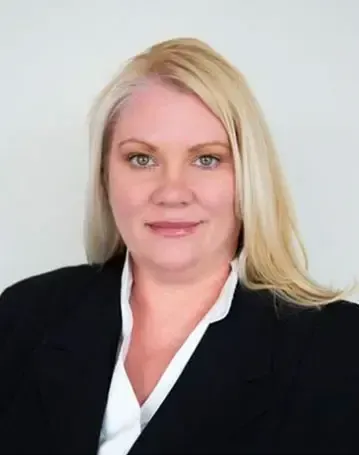
Robin brings decades of experience and a client-centered approach to elder law, Medicaid planning, and guardianship matters, advocating for families during the most consequential transitions of their lives.
Read full bio“Robin and Paul walked our family through a trust restructure after my father's stroke. They explained every clause in plain language and the Nassau County Surrogate filings closed without a single delay.”
“We finally have a real estate plan, not a binder collecting dust. The team made sure our co-op shares were actually transferred into the trust. Worth every minute of the consultation.”
“After two other attorneys gave us conflicting Medicaid advice, Marchese and Maynard laid out the lookback timeline on paper and built a plan that protected our home. Calm, precise, and patient.”
“Probate could have been a nightmare. They handled the executor paperwork, creditor notices, and a contested distribution without us ever having to argue with family. Genuine pros.”
“Paul drafted our wills, healthcare proxies, and powers of attorney in a single afternoon, and the bank accepted the POA without a single follow up call. That alone tells you they know what they are doing.”
“Trusted, local, and responsive. Robin took my call on a Friday afternoon when I was panicking about my mother's nursing home admission. By Monday we had a clear plan and the right documents in motion.”
Trustee administration costs can recur annually, even when distributions are infrequent. The beneficiary typically cannot withdraw funds directly, which can frustrate families accustomed to immediate access. Every distribution request should move through a compliance review, so certain purchases may take additional time to approve.
Marchese & Maynard, LLP walks families through these trade-offs during trust design, balancing control with flexibility. Certain shelter payments can affect SSI, requiring trustees to assess the benefit impact before paying rent, mortgage, property taxes, or utilities from the trust. Food purchased directly by the trust does not create ISM under current SSI rules, although direct cash or gift cards can still create income concerns.
Families often underestimate the record-keeping burden and the trustee's fiduciary responsibilities.
A standard revocable or irrevocable trust may give a beneficiary direct access to assets, either immediately or under distribution terms selected by the grantor. When a beneficiary can demand distributions, revoke the trust, or direct how trust assets are used, those assets may be treated as countable resources under SSI and Medicaid rules.
A special needs trust is designed differently. The trustee generally holds discretionary authority over distributions, and the beneficiary should not have the right to compel a withdrawal or direct trust investments. That structural separation can help keep trust assets outside the benefit calculation when the trust also meets the relevant legal requirements.
Cash distributions and certain shelter payments may still affect SSI, even when the trust itself is not a countable resource. Families converting a standard trust into a special needs trust after a diagnosis may find that amendment or court-reformation options are more restrictive than drafting the correct structure initially.
Special needs trusts commonly restrict direct beneficiary access, cash distributions, and transactions that may affect SSI, Medicaid, or other means-tested benefits. Trustees must document expenditures and evaluate benefit consequences before approving distributions.
Trustees should not routinely hand cash to the beneficiary. That restriction sits at the center of many special needs trusts because direct cash can count as income and may reduce benefits. The trust document grants discretionary authority to a third party because unrestricted beneficiary access can convert the asset into a countable resource.
We draft distribution protocols that identify what the trustee may purchase, what requires additional review, and what may create SSI or Medicaid consequences.
There is no statutory minimum. Marchese & Maynard, LLP has drafted trusts funded with settlement proceeds exceeding seven figures and others seeded with modest life insurance policies worth under ten thousand dollars. The question is whether the administrative expense of maintaining the trust, including trustee fees, tax preparation, and compliance documentation, justifies the asset base relative to the beneficiary's projected supplemental needs over their lifetime.
A trust holding insufficient funds to cover years of discretionary expenses may deplete before fulfilling its purpose.
Tax treatment depends on the trust's terms, funding source, and federal tax classification. A third-party special needs trust may be treated as a grantor trust or a separate taxpayer, while a first-party trust may have different reporting requirements. Trustees should coordinate with a qualified tax professional to determine whether income is taxed to the grantor, the trust, or the beneficiary.
Trusts can reach higher federal income-tax brackets at relatively low income levels, so tax planning may be relevant when a trust retains income. Distributions can also carry tax consequences for the beneficiary, depending on the type of income and the trust's distributable net income.
Medicaid payback requirements for first-party d4A trusts also affect remainder planning at the beneficiary's death. Trustees should not make year-end distributions solely to reduce trust-level tax without first reviewing SSI, Medicaid, and trust-administration consequences. Tax planning must be coordinated with benefit-preservation planning.
Marchese & Maynard, LLP serves families throughout Manhasset and surrounding Nassau County communities, providing special needs trust planning at clients' homes or through secure remote consultation. From Great Neck to Roslyn, Port Washington to Garden City, our attorneys reach Long Island families through Northern Boulevard, the Long Island Expressway, and local Nassau County routes. Trust drafting timelines can be coordinated around settlement deadlines and New York court requirements when court involvement is necessary.
Trust instruments are delivered electronically for review before execution, with notarization coordinated at the client's preferred location or through remote online notarization where New York law permits.
Service area coverage
Free Consultation
Tell us a little about your situation, and we will reach out within one business day.
Your initial meeting is structured to complete a full asset inventory and goals discovery in a single, unhurried session.
Confidential and no obligation.