

Partner
Paul P. Marchese
A trusted counselor to North Shore families for more than three decades, Paul guides clients through estate planning, trusts, and probate with the patience and precision that complex family wealth demands.
Read full bio
Marchese & Maynard, LLP represents executors and families through probate proceedings in Nassau County Surrogate's Court, handling asset marshaling, creditor claims, and beneficiary distributions. Our attorneys guide clients through court filings, executor duties, and estate settlement while coordinating with the firm's estate planning and real estate practices.
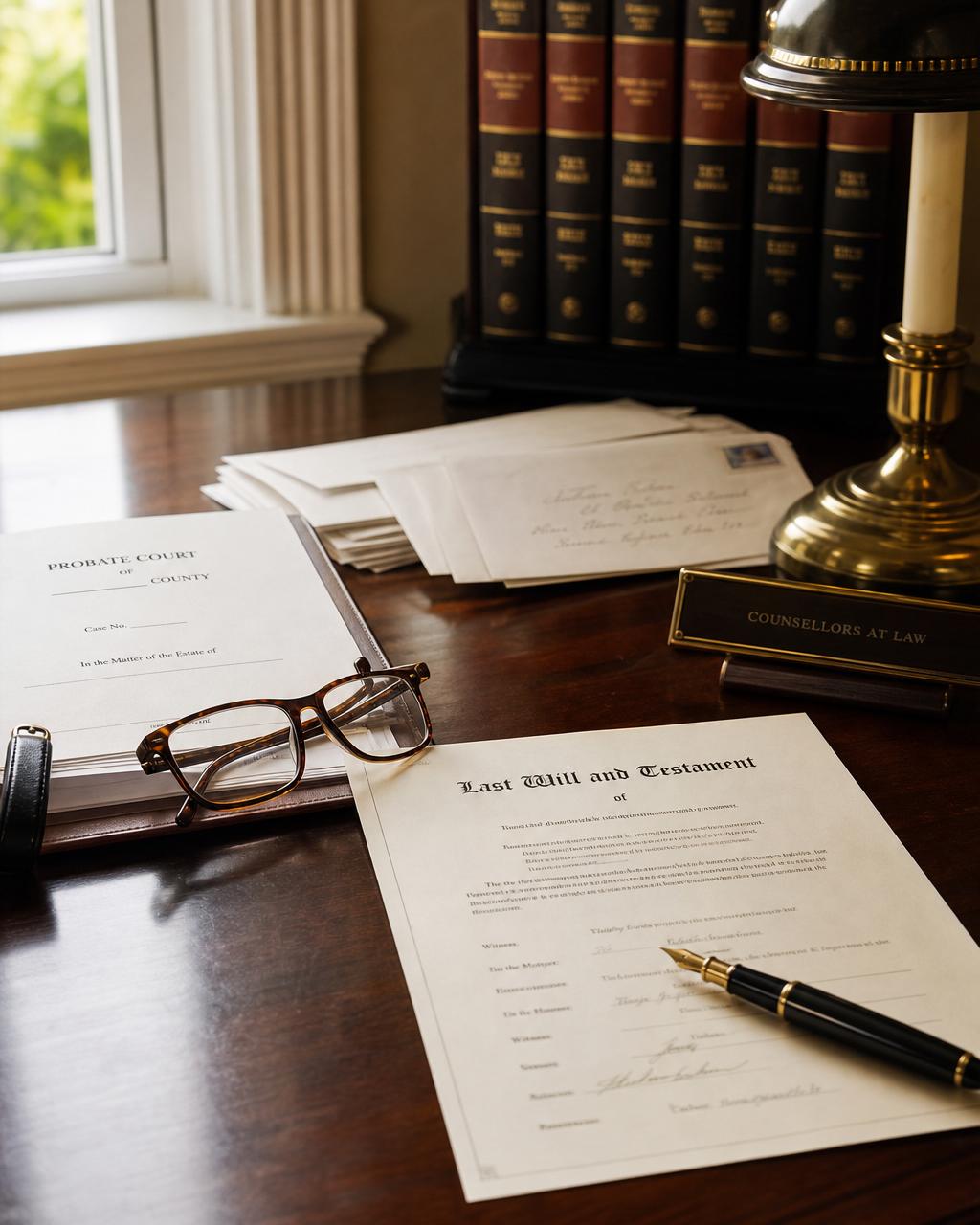
Probate fails when firms treat it as paperwork instead of fiduciary risk management. We file correctly, help protect executors from personal exposure, and coordinate property transfers that close without title defects.
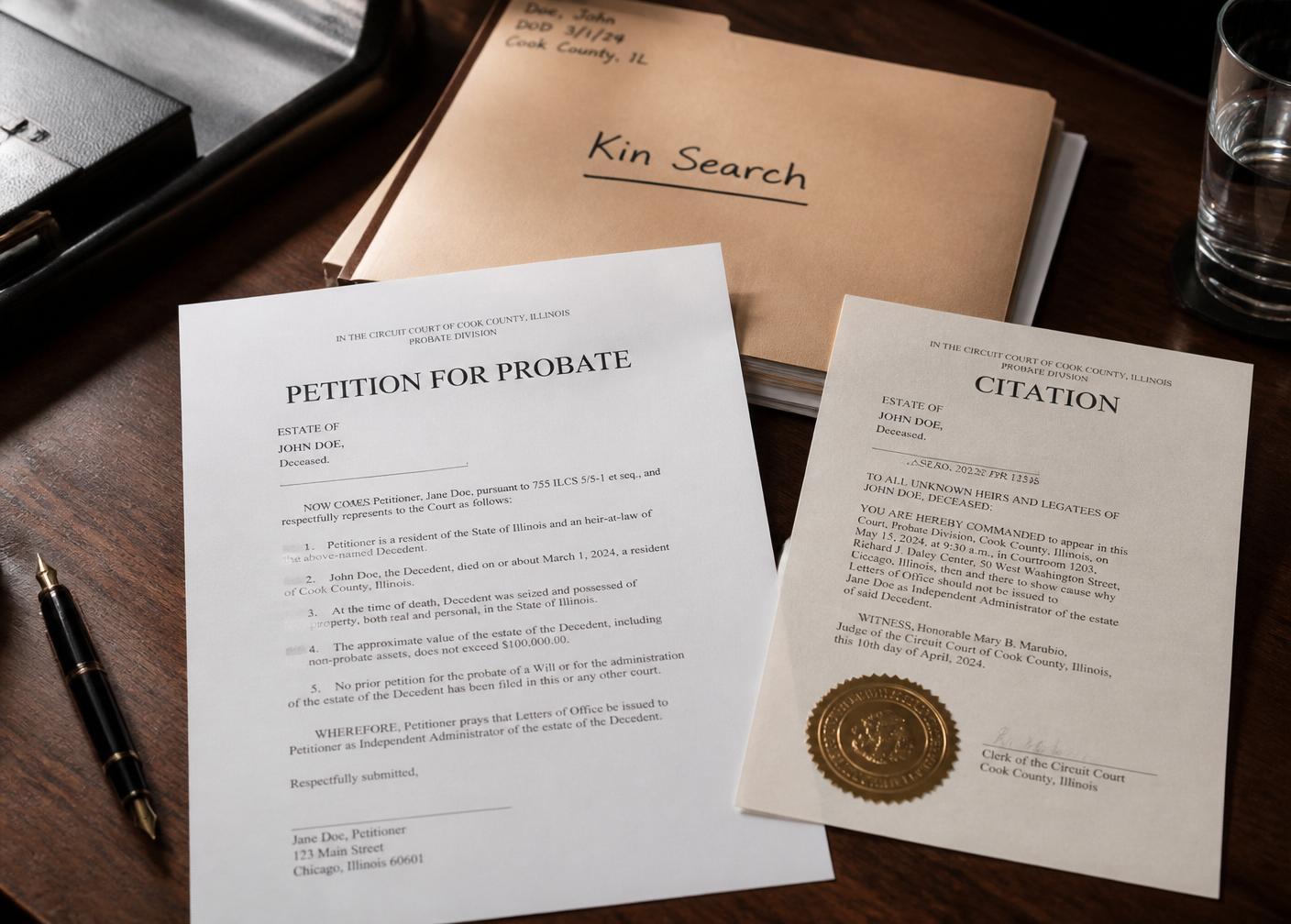
Anyone who has ever called three probate attorneys and received three different timelines for the same estate already understands the problem. The confusion is not about the law. It is about how many times the firm has actually walked that specific path through Nassau County Surrogate's Court.
A simplified estate path may work when the estate is small, uncontested, and limited to personal property with clear ownership records. It fails when real property sits in the decedent's name alone, creditors surface after distributions, or a distributee challenges the accounting six months after closure.

Before committing to probate representation, one thing is worth saying plainly: the estate that closes smoothly is not the one with the simplest asset list or the friendliest beneficiaries. It is the one where the probate inventory was compiled correctly from the start, where every account, deed, and policy was identified before the petition went to Nassau Surrogate's Court, and where the executor understood that missing a single brokerage statement or failing to disclose a safe deposit box can trigger deficiency notices, delayed Letters Testamentary, and months of additional court cycles that beneficiaries blame on the attorney.
Most families discover they had a probate problem the same way. The will looked straightforward. The executor seemed organized. Then the accounting phase arrived and three undisclosed assets surfaced, two beneficiaries stopped returning calls, and the timeline everyone expected became the timeline nobody could defend. The urgency to fix it arrives a year late. Nobody talks about the year.
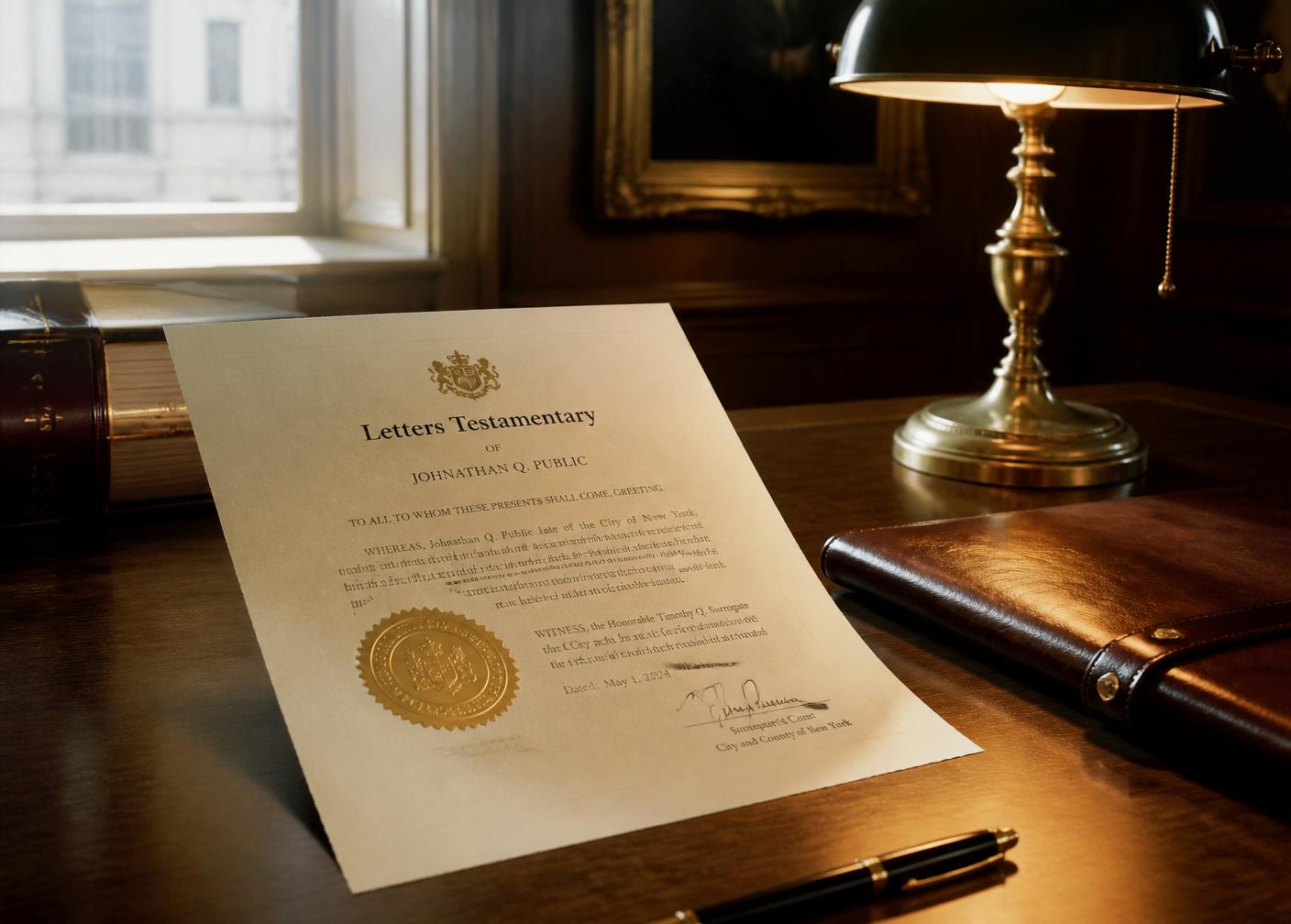
Executors who list estate property before clearing title expose themselves to post-closing claims, beneficiary disputes, and personal liability for distributions made before encumbrances are released and recorded.
Two partners. One standard of care. Every plan is drafted, reviewed, and signed under their direct guidance.
A trusted counselor to North Shore families for more than three decades, Paul guides clients through estate planning, trusts, and probate with the patience and precision that complex family wealth demands.
Read full bio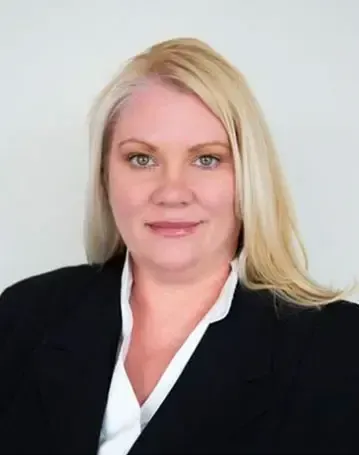
Robin brings decades of experience and a client-centered approach to elder law, Medicaid planning, and guardianship matters, advocating for families during the most consequential transitions of their lives.
Read full bio“Robin and Paul walked our family through a trust restructure after my father's stroke. They explained every clause in plain language and the Nassau County Surrogate filings closed without a single delay.”
“We finally have a real estate plan, not a binder collecting dust. The team made sure our co-op shares were actually transferred into the trust. Worth every minute of the consultation.”
“After two other attorneys gave us conflicting Medicaid advice, Marchese and Maynard laid out the lookback timeline on paper and built a plan that protected our home. Calm, precise, and patient.”
“Probate could have been a nightmare. They handled the executor paperwork, creditor notices, and a contested distribution without us ever having to argue with family. Genuine pros.”
“Paul drafted our wills, healthcare proxies, and powers of attorney in a single afternoon, and the bank accepted the POA without a single follow up call. That alone tells you they know what they are doing.”
“Trusted, local, and responsive. Robin took my call on a Friday afternoon when I was panicking about my mother's nursing home admission. By Monday we had a clear plan and the right documents in motion.”
Probate is the court proceeding that transfers legal ownership of a decedent's assets to the people entitled to receive them. The Surrogate's Court issues Letters Testamentary to the named executor, who then has authority to access accounts, sell property, pay creditors, and distribute what remains. At Marchese & Maynard, LLP, we file the petition, obtain the court appointment, and manage every step through final accounting.
Not every asset passes through probate. Jointly held property and accounts with beneficiary designations transfer outside the proceeding entirely.
Probate is not automatic. It becomes necessary when the decedent held assets in their sole name without a transfer mechanism already in place. Real property titled individually, bank accounts without payable-on-death designations, brokerage accounts lacking beneficiary forms, and personal property of value can require court supervision to change ownership.
Joint tenancy with right of survivorship avoids probate for that asset. Life insurance with a named living beneficiary passes outside the estate. Retirement accounts with current beneficiary designations do the same. The confusion arises because many estates contain a mix: some assets that transfer automatically and others that do not. We review the entire asset picture during intake to identify what requires court involvement and what does not.
Families often discover the distinction too late, after assuming everything was handled or that nothing was. The will itself does not transfer property. It provides instructions to the court about distribution once probate opens. We assess each asset's title structure and beneficiary status to determine the actual scope of court involvement required.
There is no single statutory clock that governs the probate calendar in New York. An uncontested matter can take several months or longer than a year, depending on asset complexity, required citations, tax issues, and whether objections or document deficiencies arise.
The overall timeline is shaped by court processing and scheduling in Mineola, the speed at which waivers and consents are collected from distributees, and the seven-month SCPA 1802 creditor safe-harbor period that begins when Letters Testamentary are first issued.
At Marchese & Maynard, LLP, we work to reduce preventable delays by submitting complete filings through the NYSCEF electronic portal, addressing documentation deficiencies promptly, and tracking required waivers, citations, and court requests throughout the proceeding.
A death does not automatically require probate unless assets remain titled in the decedent's name alone. Bank accounts with payable-on-death designations pass directly to named beneficiaries without court intervention. Real property held as joint tenants with rights of survivorship transfers to the surviving owner by operation of law. Life insurance proceeds and retirement accounts with current beneficiary forms bypass probate entirely.
The probate requirement surfaces when the decedent owned real property, brokerage accounts, or business interests in their sole name. We review the complete asset picture during intake because clients often discover that half the estate requires probate while the other half does not. The distinction matters for timeline and cost projections.
Estates with mixed asset structures require coordination between probate and non-probate transfers. We identify which assets need Letters Testamentary for retitling and which transfer administratively. Beneficiaries waiting on life insurance proceeds while probate moves forward for real property can experience unnecessary friction when the two processes are not explained separately from the start.
Marchese & Maynard, LLP serves families throughout Manhasset and surrounding Nassau County communities, providing probate representation directly at clients' homes or preferred meeting locations. From Great Neck to Port Washington, the team reaches North Shore residents via Northern Boulevard, the Long Island Expressway, and Shelter Rock Road, meeting clients where estate documents, property records, and family discussions naturally occur. Probate matters filed in Nassau County Surrogate's Court require coordination with the Mineola courthouse, and our attorneys handle court appearances, filings, and procedural steps without requiring clients to navigate the system alone.
Initial consultations occur at the client's home with estate documents in hand, and subsequent eligible court filings proceed through NYSCEF without requiring the family to appear at the Mineola courthouse for routine procedural steps.
Service area coverage
Free Consultation
Tell us a little about your situation, and we will reach out within one business day.
Your initial meeting is structured to complete a full asset inventory and goals discovery in a single, unhurried session.
Confidential and no obligation.